
Rainbow Story Hub
  • Rhys PrimusRhys Primus
  • October 26, 2026
  • 0 Comments
  • 5 minutes Read
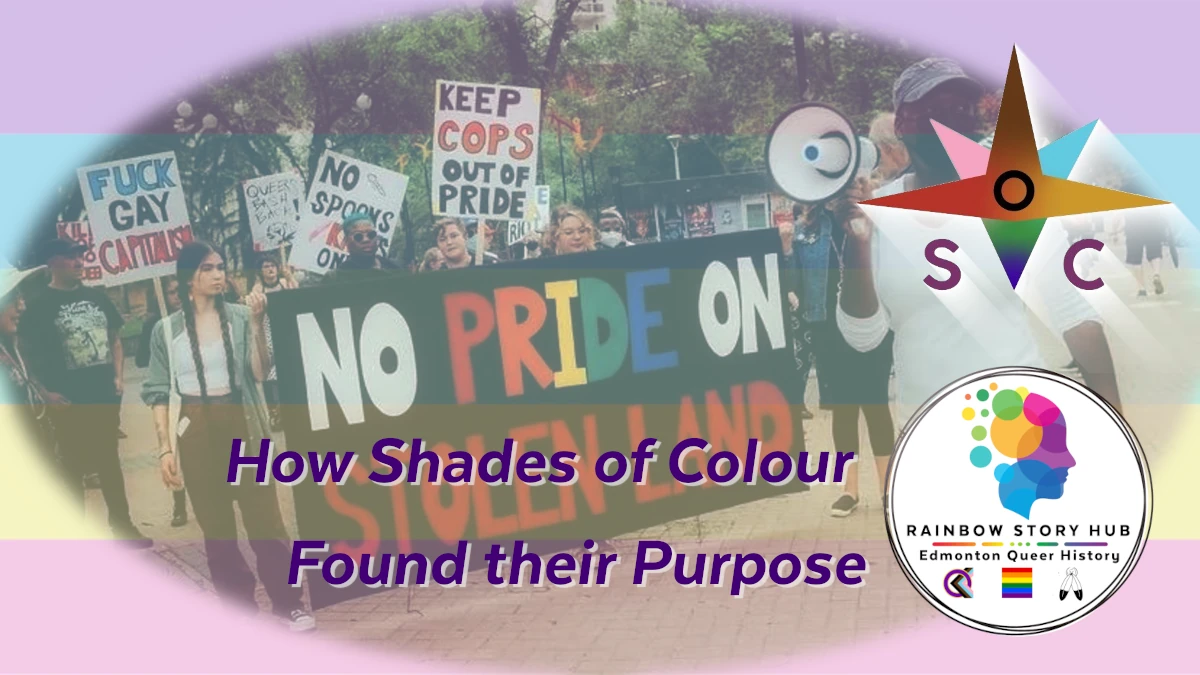
How Shades of Colour Found their Purpose

What started as a space for queer racialized folks to connect eventually evolved into a support system of stability, connection, and collectiveness. Shades of Colour (SOC) is an organization that focuses on creating and fostering community for queer folks of varying racial backgrounds to access support through mutual aid and social, health, and financial resources.

On the University of Alberta Campus, LGBTQ+ students can find a supportive safe space through the Landing. However, a group of student volunteers working for the Landing felt as though Edmonton was lacking a different space that could better cater to the needs of queer Edmontonians who existed within unique racial intersections. While Rohan Parikh, one of the student volunteers, was working at the Landing, they started a meetup group for people who fit into this demographic. Their office became a space where queer racialized folks came together, connected, and expressed their unique needs, finding common ground between one another.

Loading

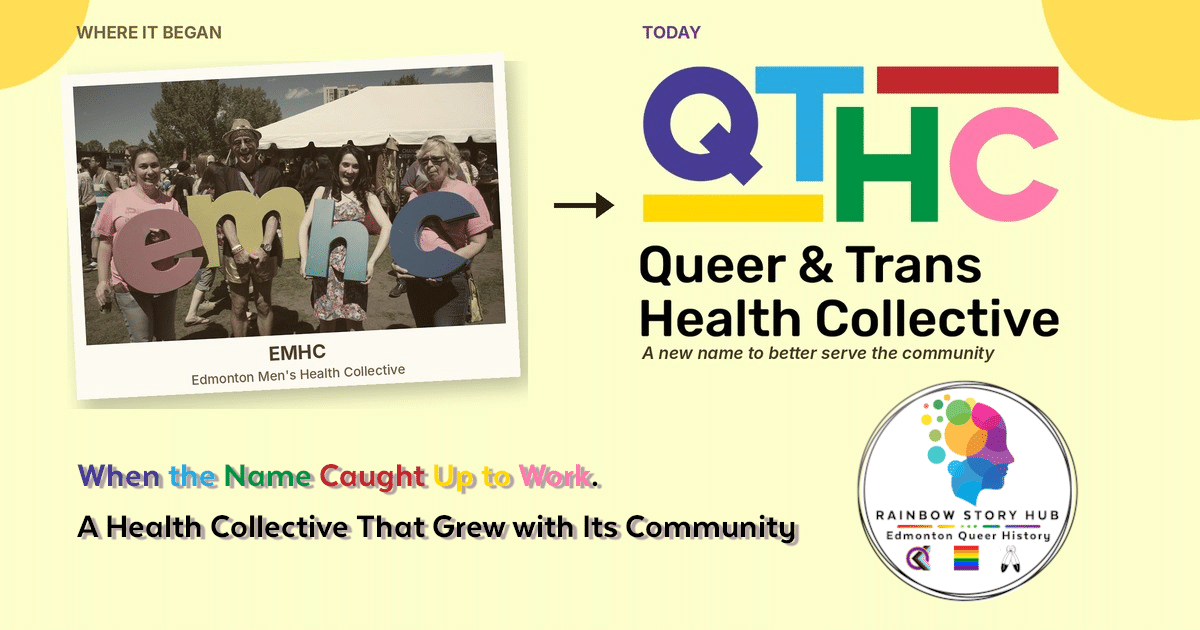
When the Name Caught Up to Work. A Health Collective That Grew with Its Community

Today it’s the Queer & Trans Health Collective (QTHC), but for years the organization was called the Edmonton Men’s Health Collective (EMHC). Ask QC Gu, QTHC’s Education and Advocacy Manager, and the old name only told part of the story.

“It was always more than just cis men”, QC says. The people showing up included trans men alongside gay and bi cis men from the beginning. So, the 2021 name change was more a rectification than a turning point. The work had moved on long before the letterhead did.

Loading

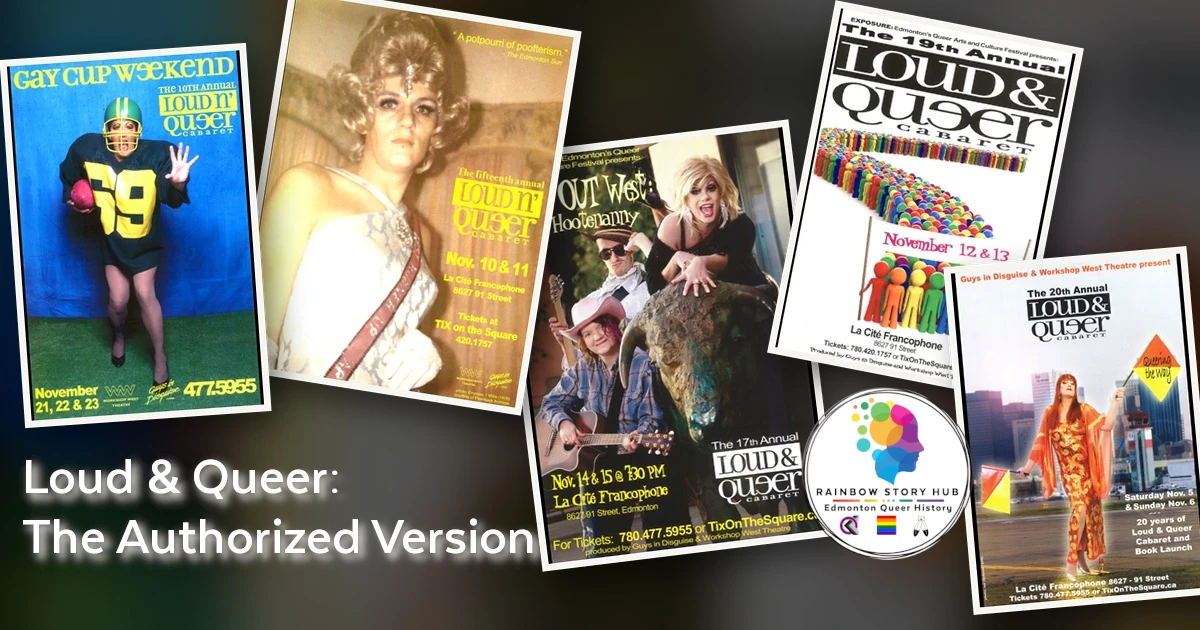
Loud & Queer: The Authorized Version

The year was 1991 and Darrin Hagen (in those days, just as widely known as Gloria Hole) was vexed.

He had stood up to the new owner of the Edmonton gay bar Flashback and had consequently lost his bartending job. Alberta’s homophobia was getting so much airtime. The Delwin Vriend seven-year saga for sexual orientation as a protected human right had kicked off. The procession of AIDS-related funerals was getting longer. And, to top it off, the provincial government was having conversations around “community standards” and arts funding, conversations that smelled exactly like censorship of all things queer.

What was a young just-fired queen to do?

Loading

Queen Kash Bae: A RaricaNow Archival Narrative of Love, Loss, and Liberation

Today, Mama Kash serves as one of RaricaNow’s longest‑standing board members, her enduring love woven into the fabric of the organization. But the story of how she arrived here — and how her daughter, Queen Kash Bae, became part of RaricaNow’s history — is also the story of how RaricaNow itself grew into a lifeline for queer and trans newcomers across continents.

RaricaNow is a non‑profit organization founded in 2017 with a clear and urgent purpose: to promote human rights for LGBTIQ+ refugees and newcomers in Canada, and to raise awareness about the gaps in services and the struggles faced by this unique population. It emerged because queer and trans newcomers were falling through every crack — immigration systems, social services, housing supports, and community networks. RaricaNow stepped in where no one else did, building a space where safety, dignity, and belonging were not luxuries but expectations.

The organization began in a small community center, offering support groups, counseling, and educational workshops. Word spread quickly. People who had never before felt seen found a place where they could breathe. As demand grew, RaricaNow expanded into larger spaces, built more programs, and deepened its commitment to trauma‑informed, culturally grounded care. It became a home — not just in Edmonton, but across borders.

Among the many people whose lives intersected with RaricaNow, few stories illustrate the organization’s impact more powerfully than the story of Queen Kash Bae and her mother, Mama Kash.

Loading

altView: A Brief History

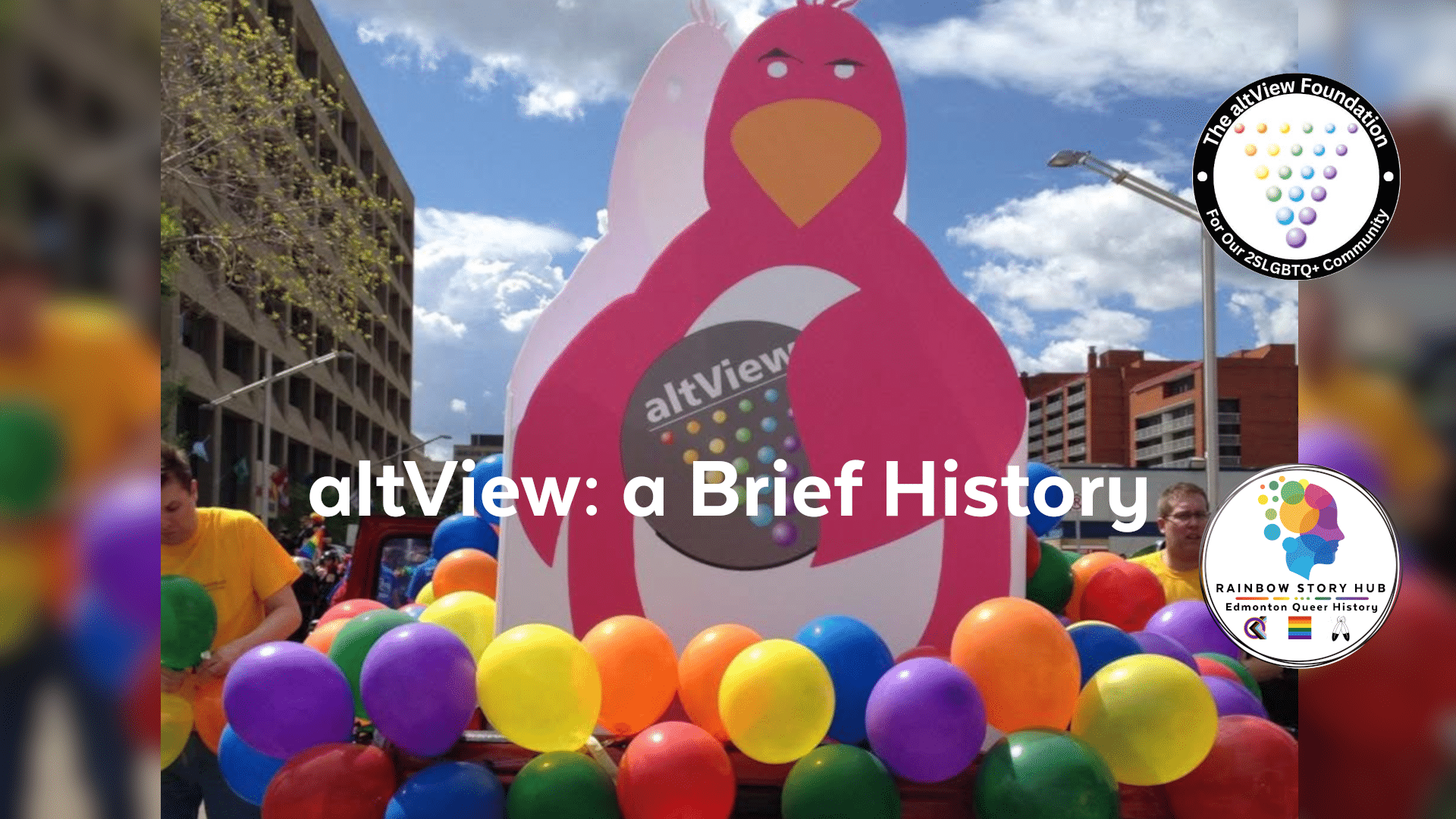
altView launched in February 2008, originally operating just as a group and meeting every other Tuesday evening at 6:30 PM, and in under a year the group began meeting weekly. They opened each gathering with an icebreaker question and moved into an activity. Over the years, they watched movies, learned to knit and crochet, had planning nights and Lego nights and game nights, wrote stories and made art, brought in guest speakers, picked random Ted talks to watch, made buttons, planned (but didn’t make) a printed toilet-paper “smear” campaign against ill-behaved politicians, had scavenger hunts at Ikea, painted an old donated school bus in rainbow stripes for Pride parades, invented a Twilight-candy game (they watched Twilight movies and ate candy whenever a character was creepy – but had to stop because youth felt ill from so much sugar), discussed religion or politics, and had so many potlucks. Afterwards, they headed out for coffee.

Loading

  • Rhys PrimusRhys Primus
  • October 5, 2026
  • 0 Comments
  • 7 minutes Read
More Than a Game: The 25-Year History of Edmonton’s Curling with Pride

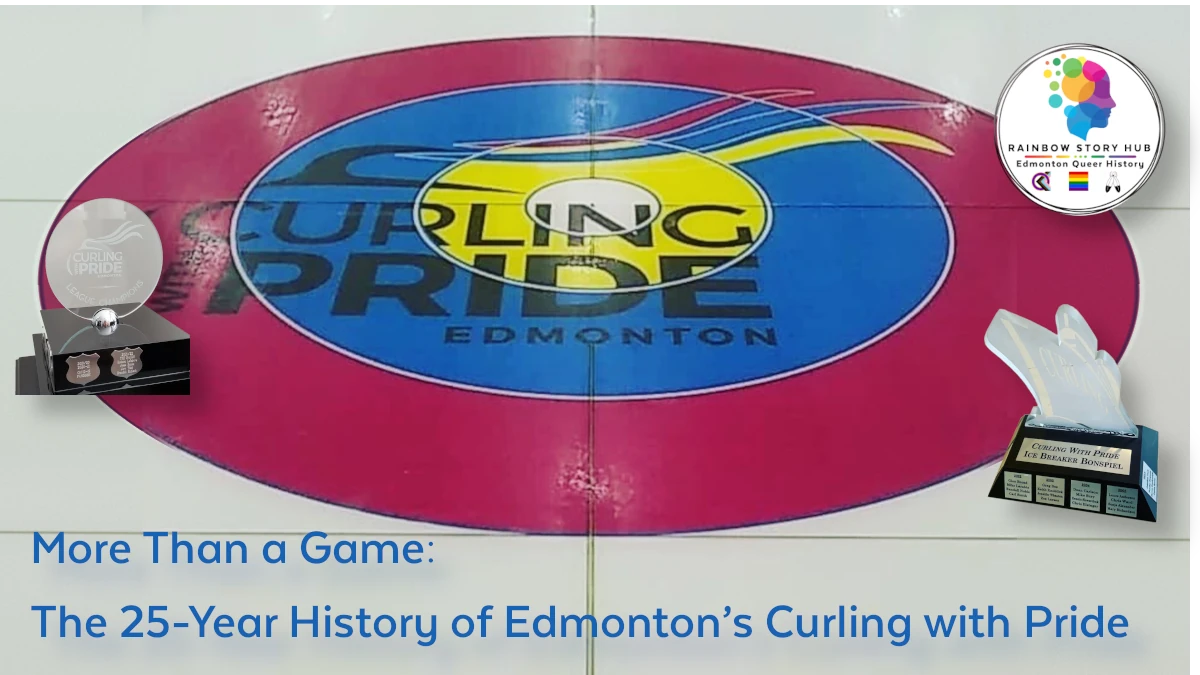
After moving to Edmonton in 1997, Lance Anderson Croft felt inspired to create a curling league for queer people in the city. Other Canadian cities such as Vancouver, Toronto, and Calgary had established queer curling leagues, and Edmonton would be next on the list of cities with one. As far as queer sports leagues go, Edmonton only had volleyball and badminton before Lance founded Curling with Pride (CWP).

The nature of curling is team based and Lance could not start the league on his own. To gauge and attract public interest, he created and put up flyers at the Roost (one of the gay bars at the time), the Gay and Lesbian Community Centre of Edmonton (GLCCE), and also had Kristy Harcourt mention it on her CKUA radio show for a couple of weeks.

Loading

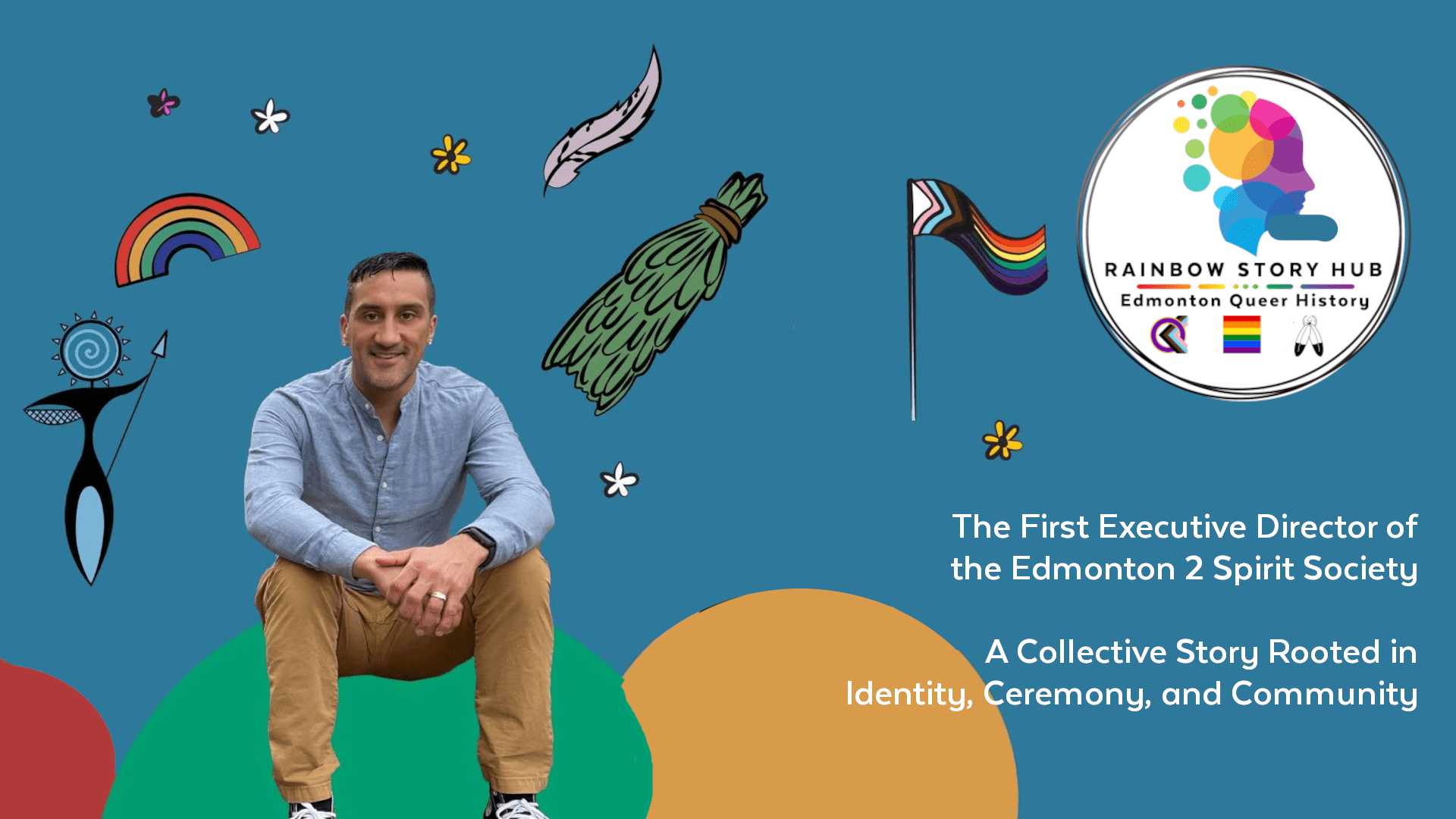
The First Executive Director of the Edmonton 2 Spirit Society (E2S): A Collective Story Rooted in Identity, Ceremony, and Community

Before E2S existed, there were individuals across the Amiskwaciwâskahikan (ᐊᒥᐢᑲᐧᒋᐋᐧᐢᑲᐦᐃᑲᐣ) region, also known as Edmonton, quietly searching for cultural teachings that affirmed their queerness, their Indigeneity, and their place in the world. Among them was Jeffery Chalifoux (Jeff) who — who identifies as ihkwêw – one of many Cree genders teachings by kêhtêyayah (Elder) Jo-Ann Saddleback as she shared in ceremony — was navigating shame, closeting, and the search for belonging. He lived and volunteered in Edmonton’s inner city, attended recovery meetings, and learned from ceremony and culture. His journey mirrored the journeys of many Indigenous queer people reclaiming teachings that had been interrupted by colonialism.

Loading

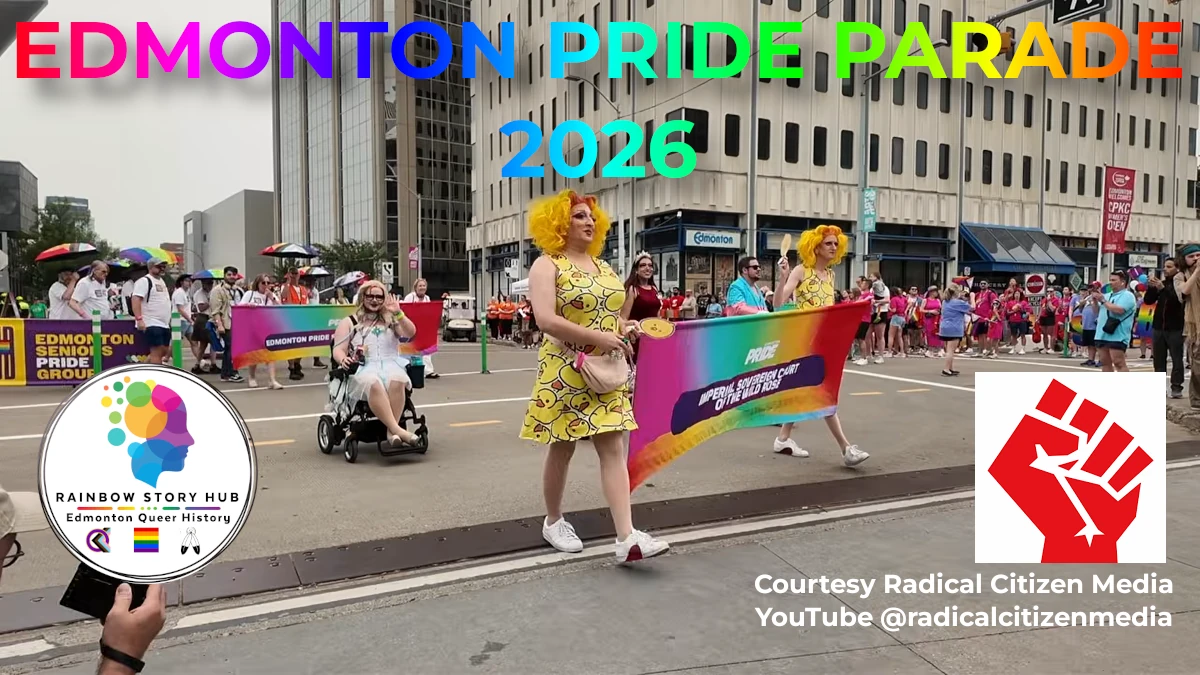
Edmonton Pride Parade and Trans March 2026

On Saturday, August 22, 2026, Edmonton’s 2SLGBTQ+ community and our allies filled the streets of downtown for the Edmonton Pride Parade and Trans March, the centrepiece of the Edmonton Pride Festival held August 21 to 23. Last year, in 2025, the parade and Trans March returned to the streets for the first time since 2018. This second year back showed that the community’s commitment to marching together remains strong.

The Rainbow Story Hub Foundation is grateful to Paula Kirman of Radical Citizen Media for allowing us to embed this video in our collection. Paula has spent years documenting social justice and activist events in Edmonton, including rallies, protests, and conferences, creating an invaluable record of our city’s activist history.

Loading

2026 Edmonton Queer History Month

October 2026 marks Edmonton’s fourth Queer History Month, and Rainbow Story Hub is celebrating with new stories, new photo collections, and a city-wide lineup of partners bigger than ever before. With funding support from the Edmonton Heritage Council, community members have researched and written new stories about organizations that make up Greater Edmonton’s 2SLGBTQIA+ community, and we’re adding new albums to our Gallery from the Jackie Meloche collection.

Loading

  • Ron ByersRon Byers
  • September 24, 2026
  • 0 Comments
  • 6 minutes Read
Help Secure a Home for Edmonton’s 2SLGBTQ+ History

10242 106 Street — the former Club 70, Cha Cha Club, Boots N’ Saddle, Boots, and The Junction The Rainbow Story Hub Foundation has submitted an application to the City of Edmonton to recognize 10242 106 Street NW as a historic place — the first step toward preserving the longest-serving gathering place in Edmonton’s 2SLGBTQ+ history. You can help move it forward, and it takes about five minutes. Why this place matters From 1970 to 2012 — more than four decades — this one address was the continuous heart of our community: Club 70 (Edmonton’s first gay bar), the…

Loading

HIV/AIDS Short Stories

We welcome your story of HIV/AIDS in a short story format of 300 – 700 words. You can submit your story using the Expression of Interest form on our Contribute Your Story page. You can also attach one or two photos using the form which will be added to your story. These do not qualify for any honorariums at this time. Stories must be about dealing with HIV/AIDS or the impacts it had on someone you knew in the Greater Edmonton Region. Stay tuned for stories

Loading

  • Ron ByersRon Byers
  • June 14, 2026
  • 0 Comments
  • 12 minutes Read
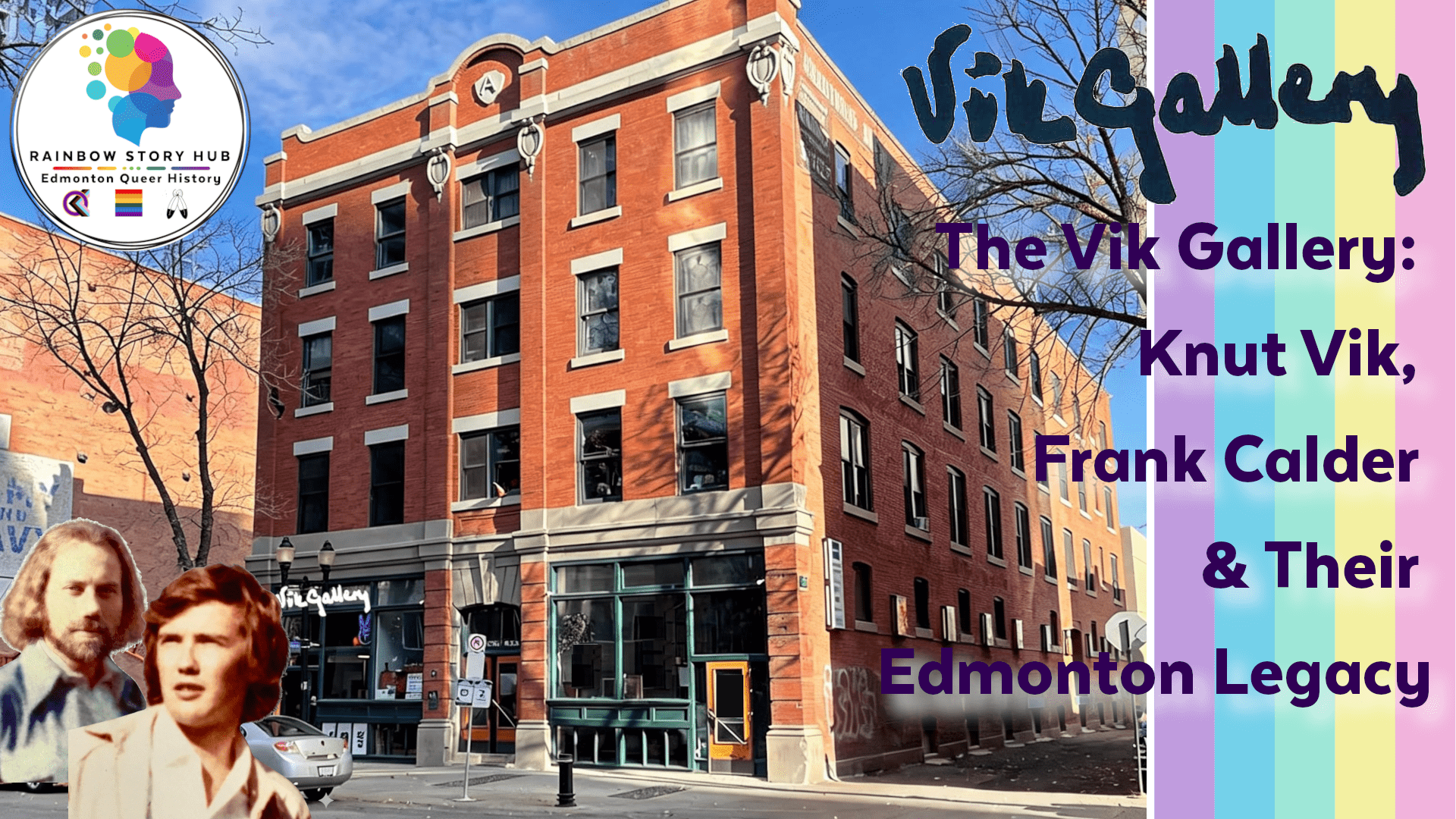
The Vik Gallery: Knut Vik, Frank Calder & Their Edmonton Legacy

Dr. Knut Egil Vik (1933–2016) shaped Edmonton not through public prominence, but through sustained, quiet influence across medicine, the arts, and community life. A physician who graduated top of his University of Alberta class in 1957, Vik practised surgery, obstetrics, geriatrics, and addictions medicine—and was among the first Edmonton doctors to treat patients with HIV/AIDS during the early years of the epidemic, when many practitioners hesitated to engage.
In October 1983, Vik founded the Vik Gallery on the main floor of the historic Armstrong Block at 10129 – 104 Street, deliberately choosing a then-overlooked downtown to help revitalize the core. The gallery became a serious contemporary exhibition space, championing artists such as Joane Cardinal-Schubert and Jane Ash Poitras—Indigenous artists who would become central to Canadian art history. Vik also served on the boards of the Edmonton Art Gallery, Edmonton Opera, Alberta Ballet, and Theatre Network.
For 46 years, Vik shared his life with Frank Calder, co-founder of Calder Bateman Communications and the public-affairs strategist behind campaigns including the NHL’s Pride Tape. Together they rescued and restored the Wallbridge Residence, a 1910 Edwardian home in Groat Estates, securing its designation as a Municipal Historic Resource in 2008.
Their story weaves together medicine, art, civic life, and heritage stewardship—a same-sex couple whose impact on Edmonton was real, lasting, and often understated. This is a history of structural influence: the kind that builds a city quietly, one cause and one building at a time.

Loading

Edmonton Queer Pop-Ups: A Starter Course

Queerness in Edmonton has never been confined to queer space. It has always leaked out and found new homes. This is as true now as it was back in the late 60s, in the days before gay bars, before Club 70 opened at the tail end of 1969. In 2004, Edmonton’s Fresh Magazine talked about the phenomenon of guerilla gay bars – where queer folk invaded straight space and made it their own. This wasn’t new. In fact, this is very much what we had to do, before Club 70 gave us a space of our own. In the…

Loading

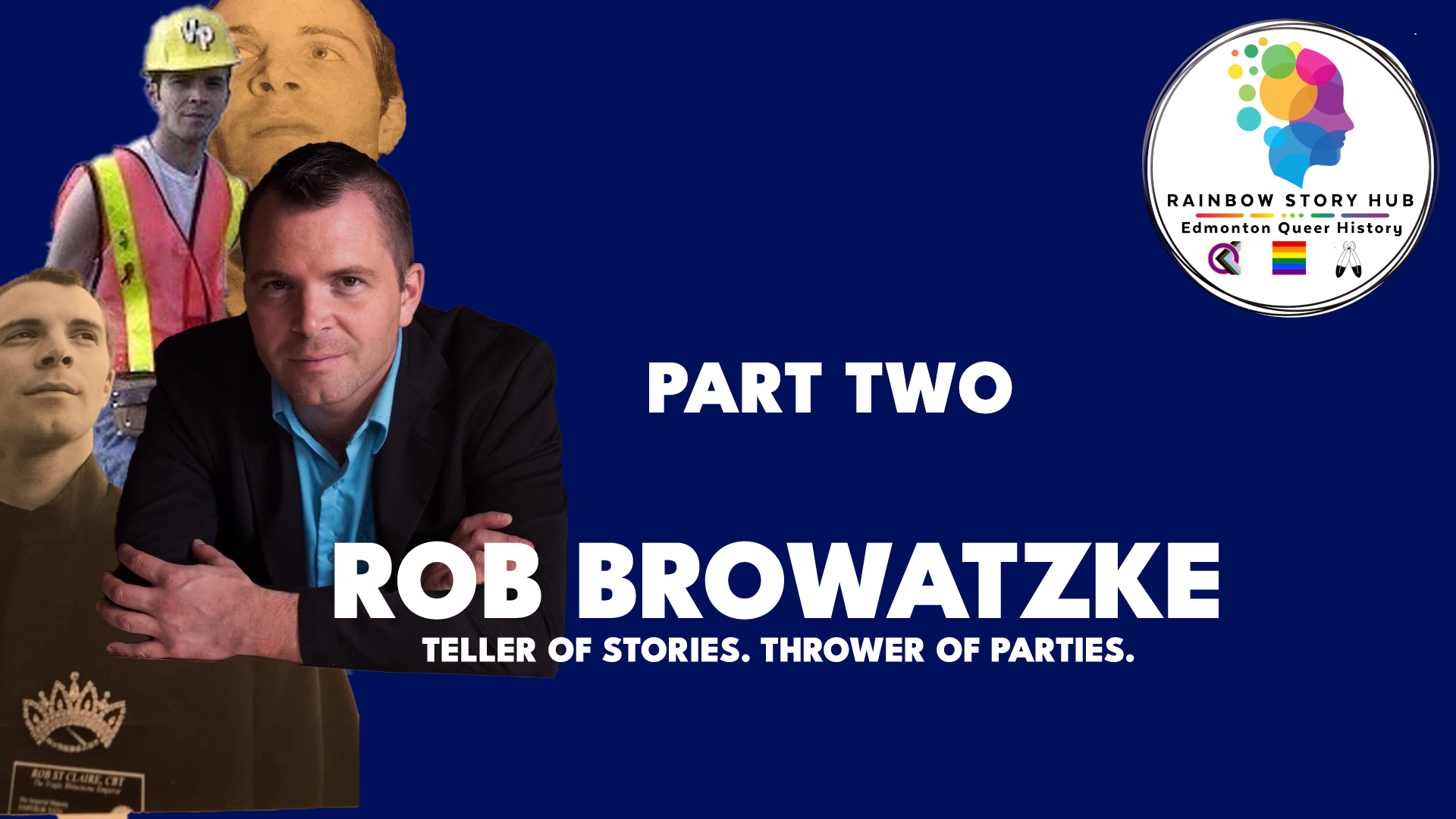
Rob Browatzke – Part Two

Part Two: Rob Browatzke – Recovery and Evolution
In this second installment, Rob Browatzke reflects on his struggles with addiction and how it affected his work at Buddy’s, Down Under, and Boots. After the passing of the Boots Bar owner, he moved on to Prism Bar and the Junction Bar & Grill, eventually finding sobriety and a new sense of purpose. With support from his uncles, Rob helped launch Evolution Wonderlounge in 2013 — Edmonton’s premiere queer nightclub — and now shares how that legacy continues with the opening of EVO in the spring of 2025.

A powerful story of resilience, renewal, and the ongoing evolution of community.

Loading

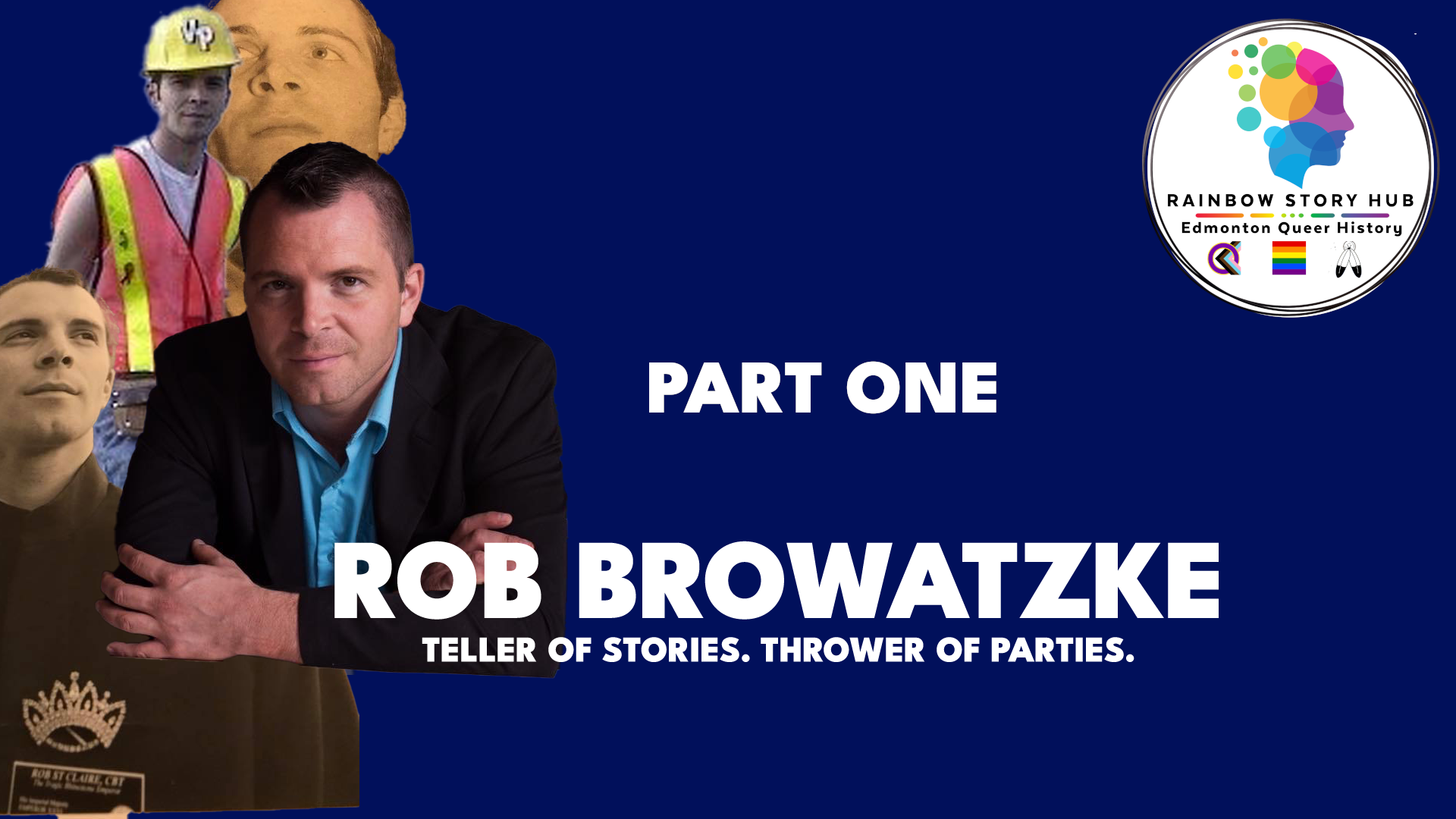
Rob Browatzke – Part One

Part One: Rob Browatzke – Finding Community
In this first installment, Edmonton writer and community builder Rob Browatzke reflects on coming out in high school, his first night at The Roost nightclub, and the early challenges of finding acceptance. Rob shares stories of moving to Lethbridge for college and returning to Edmonton, where he worked at the Georgia Bathhouse, Down Under, Boots Bar, The Roost, and Buddy’s Niteclub. He also talks about his shift into community activism and media — from volunteering with the Gay Men’s Outreach Crew and Edmonton Pride Festival to helping launch Fresh Magazine after writing for Times.10.

A candid look at the spaces, people, and moments that helped shape one of Edmonton’s most enduring voices in queer culture.

Loading